Tennessee Fire Extinguisher Technician Exam Self Practice Review Questions

Book updated Jun 2026.

US states generally follow a combination of NFPA standards and OSHA regulations for portable fire extinguishers. The foundational code for selection, installation, and maintenance is NFPA 10, while where and when they are required is dictated by the NFPA Life Safety Code and local fire codes.The primary codes and standards enforced across jurisdictions include:

NFPA 10: The Standard for Portable Fire Extinguishers. It dictates the types of extinguishers needed for different hazards, travel distances (e.g., 75 feet for Class A hazards), and guidelines for regular inspection, maintenance, and testing.
NFPA 101 Life Safety Code: Widely adopted by state and local governments to specify exactly where extinguishers are required based on building occupancy (e.g., assembly, educational, healthcare).
OSHA 1910.157: The standard governing portable fire extinguishers for workplace environments, outlining specific employer responsibilities, accessibility rules, and employee training.
International Fire Code (IFC): Many states adopt this model code, which integrates NFPA 10 guidelines and sets local enforcement protocols.

It is the Department of Commerce and Insurance that provides training and certification for Tennesseans who apply for a license. This book provides practice questions with explanations on the relevant codes, standards, rules and guidelines.
https://www.lulu.com/shop/mike-yu/tennessee-fire-extinguisher-technician-exam-self-practice-review-questions/paperback/product-2mq2zge.html

Related Post

California C7 Low Voltage Systems Contractor License Exam Review Questions and Answers

A CA communication and low voltage contractor installs, services and maintains all types of communication and low voltage systems which are energy limited and do not exceed 91 volts. These systems include, but are not limited to telephone systems, sound systems, cable television systems, closed-circuit video systems, satellite dish antennas, instrumentation and temperature controls, and […]

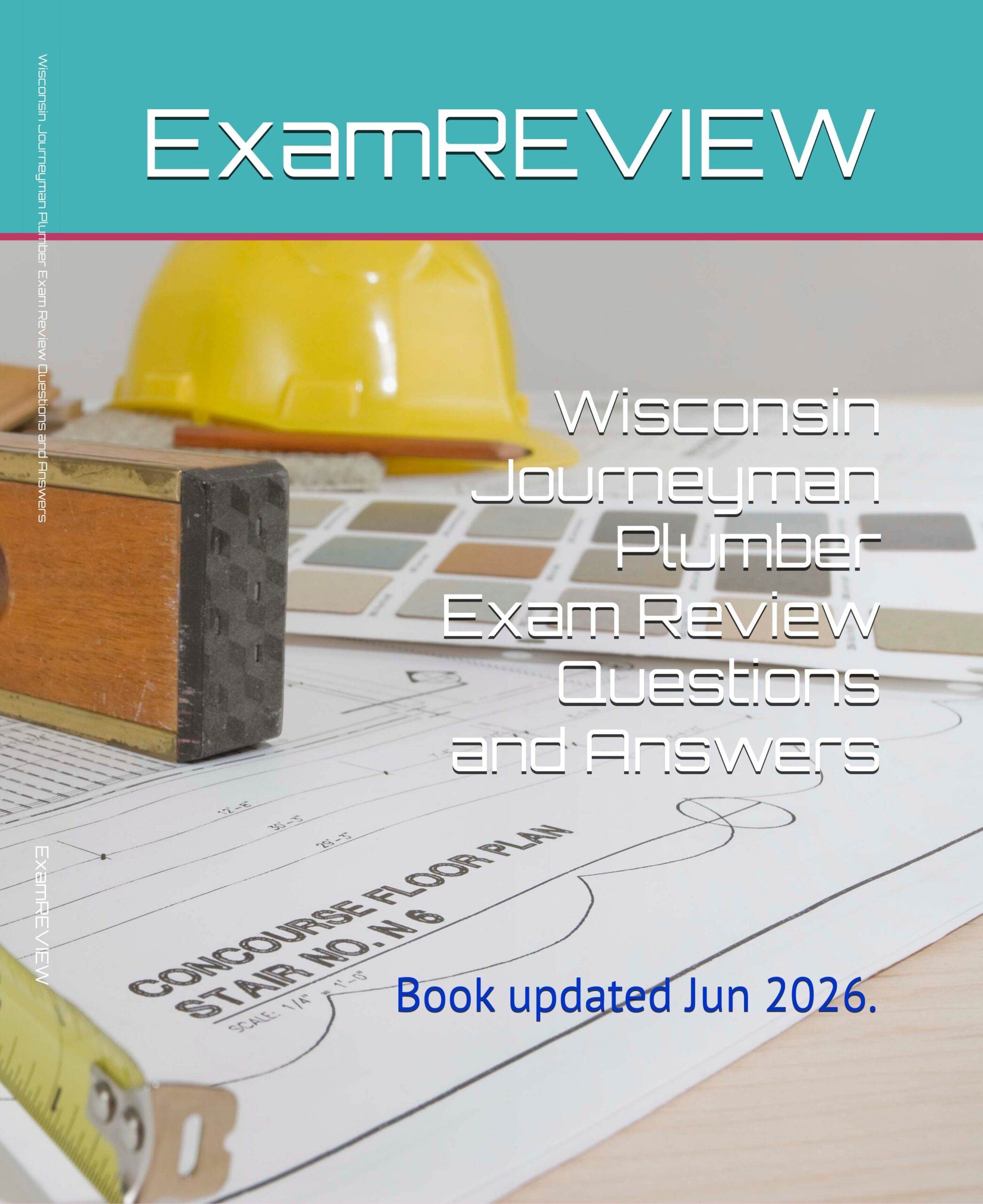
Wisconsin Journeyman Plumber Exam Review Questions and Answers

Book updated Jun 2026. In Wisconsin, a Journeyman Plumber means any person who customarily performs the work of installing plumbing and drainage under the employment and direction of a master plumber. The exam is open book, and the passing score is 70%. A major focus of the exam is code compliance. We create these self-practice […]

Florida Underground Utility and Excavation Contractor License Trade Exam Practice Questions and Answers

The Florida Construction Industry Licensing Board (CILB), under the Department of Business and Professional Regulation (DBPR), administers this licensing program for the Certified Underground Utility and Excavation Contractor (CILB 6-N) classification. A license is required for projects including the construction, installation, and repair of main sanitary sewer collection systems, main water distribution systems, and storm […]